Water consumption: AI vs animal agriculture
AI uses plenty of water, but animal farming vastly more.
There has been much gnashing of teeth online over AI data centres and their water consumption. But just how much water does AI actually use, and how does this compare to animal farming? I looked into the numbers…
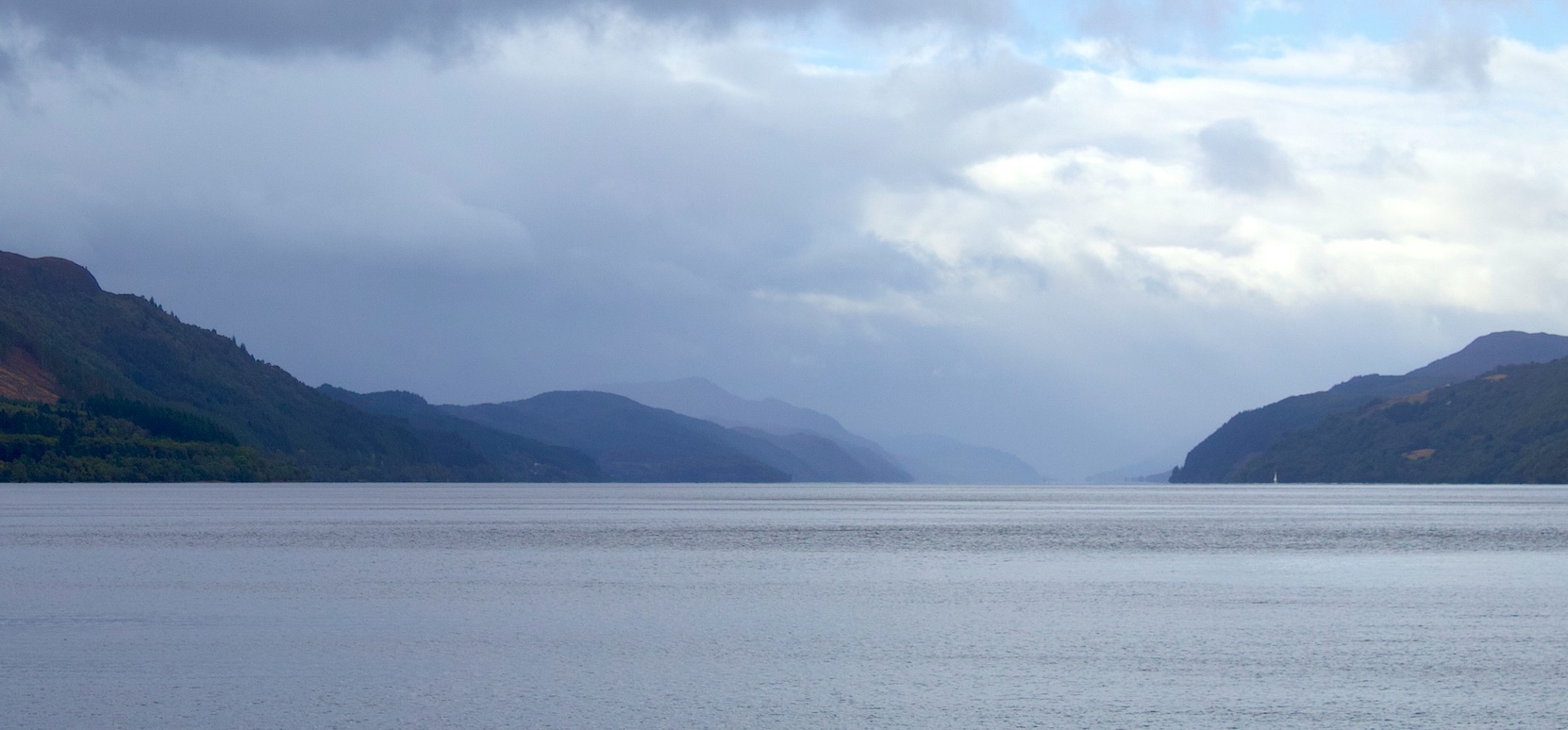
One study predicts that AI water consumption globally will be between 0.38 and 0.60 km³ in 2027. Animal agriculture, by comparison, is much, much worse, consuming 228 km³ annually. In other words, exploiting animals for their flesh, milk and eggs consumes roughly 380× to 600× as much water as AI does. To put the volumes in perspective: in 2027 AI is predicted to consume between a twentieth and a twelfth of the volume of water in Loch Ness (Scotland’s largest loch by volume, and the largest body of water by volume in Britain), whereas animal farming already consumes just over 30 entire Loch Nesses annually!
(‘Consumption’ here means water which is evaporated and lost, as opposed to ‘withdrawal’, which is largely returned to the system. Water withdrawal for AI in 2027 is predicted to be between 4.2 and 6.6 km³. Animal agriculture, in contrast, withdraws 566 km³ per year: 513 km³ for feed, 40 km³ for drinking water and 13 km³ for ‘service’ [non-potable] water.)
This is not to say there isn’t a problem with water usage by AI, especially in localities hosting data centres. And there are of course other environmental impacts of both AI and animal agriculture, not to mention the serious ethical violations inherent in the latter.
However, if water conservation and the environment in general concern you, you’re much better off adopting a plant-based diet (and advocating for it to others, including institutions and governments) than worrying too much about AI.
Featured post: Hand-written lyrics for lost Freddie Mercury songs up for auction.